
What is Positive Psychology 2.0?
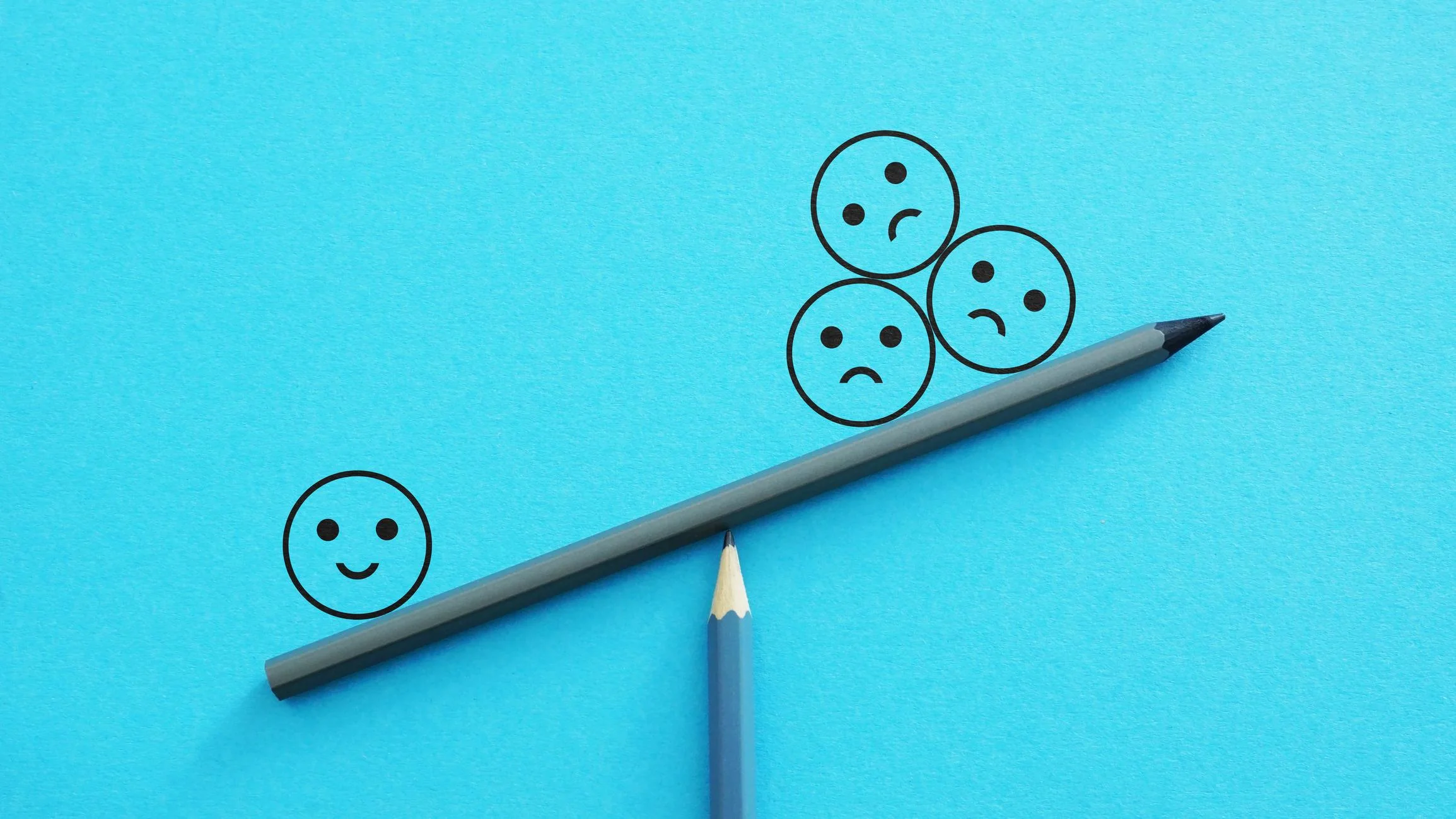
Positive Psychology 2.0 is an advanced framework in psychology that focuses on achieving well-being by integrating both positive and negative human experiences. Unlike earlier approaches that emphasized happiness alone, this model highlights the importance of meaning, resilience, and psychological balance.
Developed by Paul T. P. Wong, this approach suggests that true well-being emerges not from avoiding difficulties, but from understanding and transforming them.
How is Positive Psychology 2.0 different from traditional positive psychology?
Traditional positive psychology primarily focused on enhancing positive emotions, strengths, and life satisfaction. It promoted ideas such as optimism, gratitude, and happiness as key indicators of well-being.
Positive Psychology 2.0 expands this perspective by recognizing that:
- Negative emotions are unavoidable and meaningful
- Psychological growth often comes from adversity
- A balanced life includes both joy and struggle
Instead of avoiding discomfort, this approach encourages individuals to engage with it constructively.
Why was Positive Psychology 2.0 developed?
The shift toward this model emerged from limitations observed in earlier frameworks. Researchers found that:
- Constant positivity is not sustainable in real-life conditions
- Ignoring negative emotions can reduce emotional depth
- People seek meaning more than temporary happiness
Positive Psychology 2.0 was introduced to address these gaps by offering a more realistic and comprehensive understanding of human behavior.
What are the core principles of Positive Psychology 2.0?
Balance between positive and negative experiences
Well-being is viewed as a dynamic balance rather than a one-sided pursuit of happiness. Both positive and negative emotions contribute to psychological development.
Meaning as a central goal
The focus shifts from “feeling good” to “living meaningfully.” Purpose, values, and long-term goals become central to well-being.
Growth through adversity
Challenges and setbacks are seen as opportunities for building resilience and psychological strength.
Acceptance of existential realities
This approach incorporates deeper human concerns such as uncertainty, suffering, and personal limitations, making it more aligned with real-world experiences.
How does Positive Psychology 2.0 apply to everyday life?
In practical terms, this framework can be observed in how individuals:
- Respond to failure by learning rather than avoiding
- Use difficult experiences to redefine goals and values
- Focus on long-term meaning instead of short-term pleasure
- Develop emotional flexibility in uncertain situations
It promotes a mindset where discomfort is not eliminated but understood and utilized.
Why is Positive Psychology 2.0 relevant in today’s world?
Modern environments are characterized by rapid change, digital overload, and increasing complexity in daily life. Under such conditions:
- Purely positive thinking models may feel unrealistic
- Individuals require adaptive coping strategies
- Meaning and resilience become essential psychological tools
Positive Psychology 2.0 addresses these needs by offering a balanced and sustainable approach to well-being.
What is the main takeaway from Positive Psychology 2.0?
The central idea is that well-being is not about avoiding negative experiences but about integrating them into a meaningful life.
Psychological strength develops through:
- Acceptance of life’s complexity
- Engagement with challenges
- Commitment to meaningful goals
This makes Positive Psychology 2.0 a more comprehensive and realistic framework for understanding human behavior.


Leave a Comment