
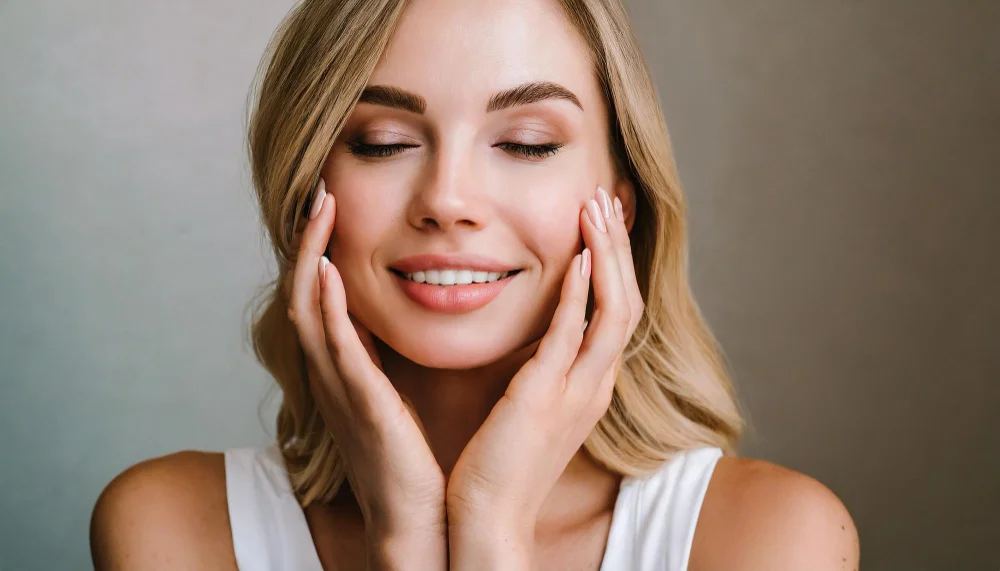
Your skin is more than a protective covering — it is a living, breathing reflection of your emotional state. Stress, anxiety, depression, and even excitement can leave visible imprints on the skin. This mind–skin relationship is studied in a field called psychodermatology, which bridges dermatology and psychology. Understanding this connection can help you manage not just your emotions, but also the skin conditions they may trigger.
The Mind–Skin Connection
The skin and brain originate from the same embryonic tissue — the ectoderm — and remain in constant biochemical communication throughout life. The brain communicates with the skin via the hypothalamic-pituitary-adrenal (HPA) axis, a central stress-response system. When stress hormones like cortisol flood the body, they can affect skin immunity, oil production, and inflammation levels.
Key pathways linking emotions and skin health include:
- Neuroimmunology: Stress alters immune system responses, triggering inflammatory skin reactions.
- Neuroendocrine signaling: Hormones influence oil glands, sweat production, and skin barrier repair.
- Behavioral impact: Emotional distress can lead to habits like scratching, picking, or neglecting skincare.
Common Skin Conditions Triggered or Worsened by Emotions
1. Acne Flare-ups
Cortisol spikes from stress increase sebum production, clogging pores and fueling bacterial growth.
2. Eczema (Atopic Dermatitis)
Stress can disrupt the skin’s barrier function, leading to dryness, itchiness, and flare-ups.
3. Psoriasis
Emotional stress can trigger inflammatory responses that exacerbate plaque formation.
4. Urticaria (Hives)
Anxiety and strong emotions may release histamines, resulting in sudden rashes or welts.
5. Rosacea
Emotions like embarrassment or anger can dilate blood vessels, causing redness and flushing.
The Psychology of Skin Perception
The impact of emotional states on skin health is not purely biological — it also affects how people perceive their skin.
For instance:
- Anxiety can make minor blemishes seem more noticeable.
- Body image concerns may lead to social withdrawal.
- Skin conditions can create a feedback loop, where distress worsens symptoms, which then increase distress.
Studies have found that people with visible skin conditions often experience higher rates of social anxiety, depression, and low self-esteem (American Academy of Dermatology).
Managing Emotional Impact on Skin
An effective approach to mind–skin health involves both dermatological care and psychological support.
Strategies include:
- Stress reduction techniques: Mindfulness meditation, yoga, and deep breathing can lower cortisol levels.
- Cognitive Behavioral Therapy (CBT): Helps manage stress-related skin picking or scratching habits.
- Healthy lifestyle: Adequate sleep, hydration, and balanced diet support skin repair.
- Dermatologist–psychologist collaboration: Combining skin treatment with mental health care for lasting results.
For more science-backed tips, see the AAD’s guide on 6 Skin and Hair Conditions Linked to Stress.
Final Thoughts
Your skin is a visible storyteller of your emotional life. By addressing both psychological and physical factors, it’s possible to improve skin health while nurturing mental well-being. Psychodermatology reminds us that true skincare starts with caring for the mind.
Internal Links:
External Links:
- 6 Skin and Hair Conditions Linked to Stress – American Academy of Dermatology
- Feeling stressed? It can show in your skin, hair, and nails – AAD News

Leave a Comment